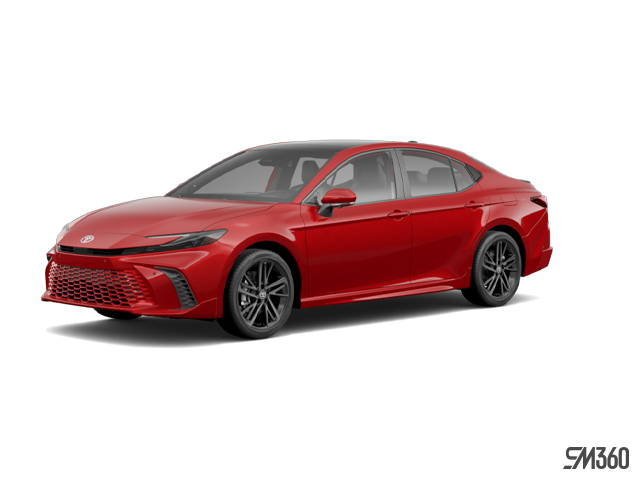
Photo for illustrative purposes only.
Find out more
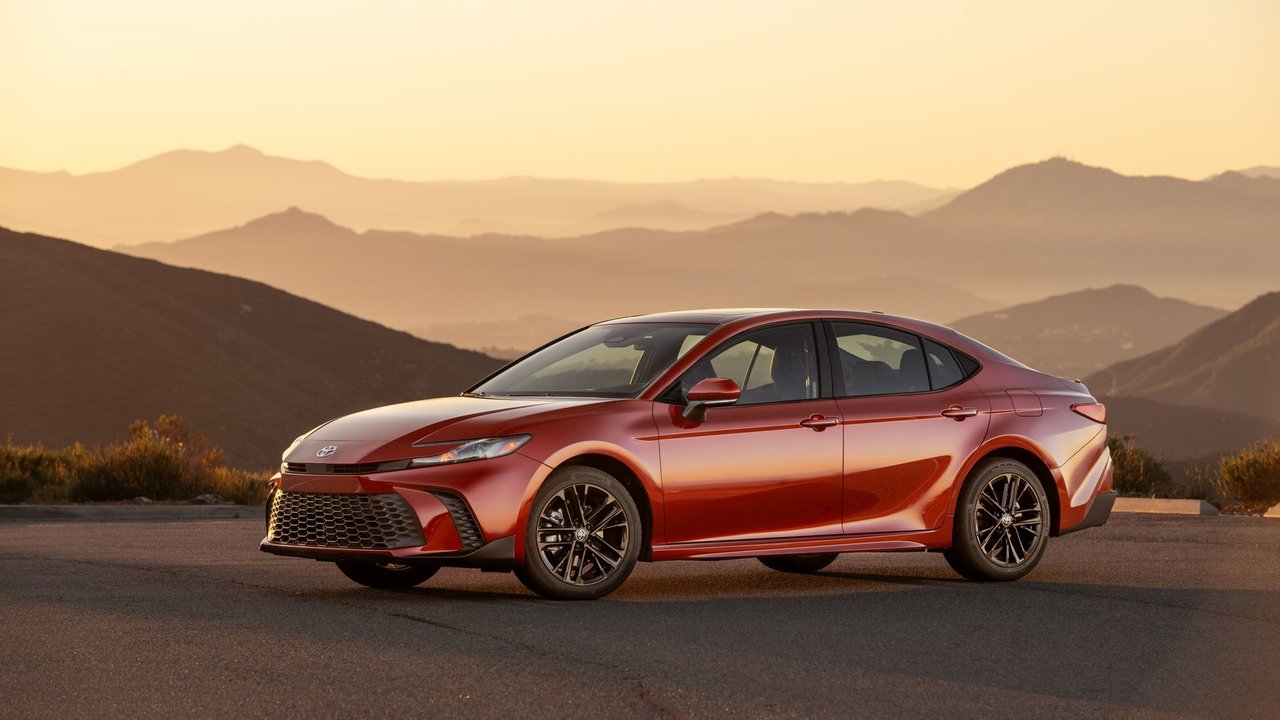
For Longueuil drivers shopping for a fuel-efficient Toyota sedan, two names keep coming up: Prius and Camry Hybrid. Both are hybrid icons. Both are built around Toyota's fifth-generation hybrid system. And both deliver the kind of fuel economy that makes a daily commute along Highway 132 or Route 116 noticeably cheaper. But that's where the similarities end.
The 2026 Prius is sharp, low, and unapologetically distinctive — it wants to be seen. The 2026 Camry Hybrid takes a different approach: classic sedan proportions, mainstream styling, and the kind of comfortable, everyday personality that has made it one of Canada's most recognized cars for decades. If you're trying to decide which one belongs in your driveway, this guide walks through how they really differ.
|
Feature |
2026 Toyota Prius |
2026 Toyota Camry Hybrid |
|---|---|---|
|
Body Style |
Liftback hatchback |
Four-door sedan |
|
Engine |
2.0L Atkinson Cycle 4-cylinder |
2.5L Dynamic Force 4-cylinder |
|
Hybrid System |
5th-generation Toyota Hybrid System |
5th-generation Toyota Hybrid System (THS 5) |
|
Horsepower |
196 hp |
225 hp (FWD) / 232 hp (AWD) |
|
Drivetrain |
Standard AWD on all grades |
FWD or Electronic On-Demand AWD |
|
Combined Fuel Economy |
4.8 L/100 km |
4.9–5.5 L/100 km depending on grade |
|
0–100 km/h |
7.2 seconds |
Toyota does not publish |
|
Seating |
5 |
5 |
|
Cargo Capacity |
575 L (20.3 cu. ft.) |
428 L (15.1 cu. ft.) |
|
Available Grades |
XLE, Limited |
SE, SE Upgrade, Nightshade, XLE, XSE |
The Prius and Camry Hybrid both use Toyota's fifth-generation hybrid technology, but they're tuned for very different goals.
The 2026 Prius pairs a 2.0L Atkinson Cycle four-cylinder engine with a motor-generator system and an eCVT to produce 196 system horsepower. Every Prius sold in Canada comes with electronic on-demand all-wheel drive — a small electric motor at the rear axle adds traction when conditions get slippery. That makes it a reassuring choice for Quebec winters, especially around Longueuil where snow and ice can change a commute fast. Toyota also publishes a 0–100 km/h time of 7.2 seconds, which is genuinely quick for a car this efficient.
The 2026 Camry Hybrid uses a larger 2.5L Dynamic Force four-cylinder engine paired with the THS 5 system, producing 225 horsepower in front-wheel-drive trim and 232 horsepower with the Electronic On-Demand AWD system. The AWD setup uses an electric motor on the rear axle rather than a mechanical driveshaft, which keeps the car efficient while still adding traction when you need it.
Both cars use an electronically controlled continuously variable transmission tuned for natural acceleration feel, with engine speed synchronized to vehicle speed in a way that avoids the "drone" older hybrids were known for.
This is where the two cars start to separate.
The Prius is the more efficient car overall, and it does it while still offering AWD on every grade. The Camry Hybrid is impressive in its own right — these are excellent fuel numbers for a midsize sedan — but the Prius simply uses less fuel per kilometre.
For a Longueuil driver covering 20,000 km a year, the difference between 4.8 and 5.5 L/100 km adds up across an ownership period. Whether that gap matters comes down to how much annual driving you do.

This is where personal preference takes over.
The Prius is a hatchback. Toyota built it on the second-generation TNGA-C platform, with a low stance, sleek bi-beam LED headlights, and proportions that genuinely turn heads. Inside, you'll find a futuristic cabin with up to a 12.3-inch touchscreen on the Limited grade, heated front seats, and a heated leather-wrapped steering wheel as standard. The 60/40 split fold-down rear seat opens up 575 litres of cargo space — useful for groceries, hockey bags, or weekend trips out to the Eastern Townships.
The Camry Hybrid is a traditional four-door sedan with a more classic silhouette. Its 4,915 mm length gives it a longer wheelbase, more rear legroom, and the kind of comfortable, settled highway ride that makes long trips down Autoroute 20 feel effortless. The cabin is roomy and refined, with dual-zone automatic climate control, heated front seats, and a heated leather-wrapped steering wheel standard across the lineup. Trunk space is 428 litres — generous for a sedan but smaller than the Prius's hatchback layout.
If you regularly carry bulky items, the Prius's hatch wins. If you mostly carry passengers and luggage on highway trips, the Camry Hybrid's larger cabin and quieter ride feel like a better fit.
The Prius keeps things simple in Canada with two grades:
The Camry Hybrid offers more variety with five grades:
If you want more grade choices and variety in trim levels, the Camry Hybrid offers more flexibility. If you want a tightly curated lineup that's easy to shop, the Prius simplifies the decision.
The Prius is the right choice if:
The Camry Hybrid is the right choice if:
The fastest way to settle the Prius vs. Camry Hybrid debate is to drive them back-to-back. Both are excellent vehicles, but they create very different experiences from behind the wheel — one sharp and distinctive, one comfortable and familiar. Visit our team at Longueuil Toyota and we'll set you up with a test drive of both, walk through the trim differences, and help you find the hybrid that fits your driveway, your commute, and your style. Stop by the dealership in Longueuil today, give us a call, or reach out online to book your time behind the wheel.
Photo for illustrative purposes only.
Find out more
5 Reasons Why the 2026 Toyota 4Runner Holds Its Own on Gravel and Trails
Summer in Quebec means gravel forestry roads, cottage driveways that soften up after a heavy rain, and the occasional ATV trail snuck into a long...
Read more
5 Questions Families Ask Before Choosing the 2026 Toyota bZ as a Daily Driver
Choosing an electric SUV for family life in Quebec means balancing driving range against winter weather, and cargo space against charging speeds....
Read more
Left Turn Detection, Emergency Steering Assist, and More — Standard on Every 2026 Toyota Sequoia
The 2026 Toyota Sequoia is a full-size, exclusively hybrid SUV — and every single model comes with the same advanced driver-assist system from the...
Read morePowered and developed by
