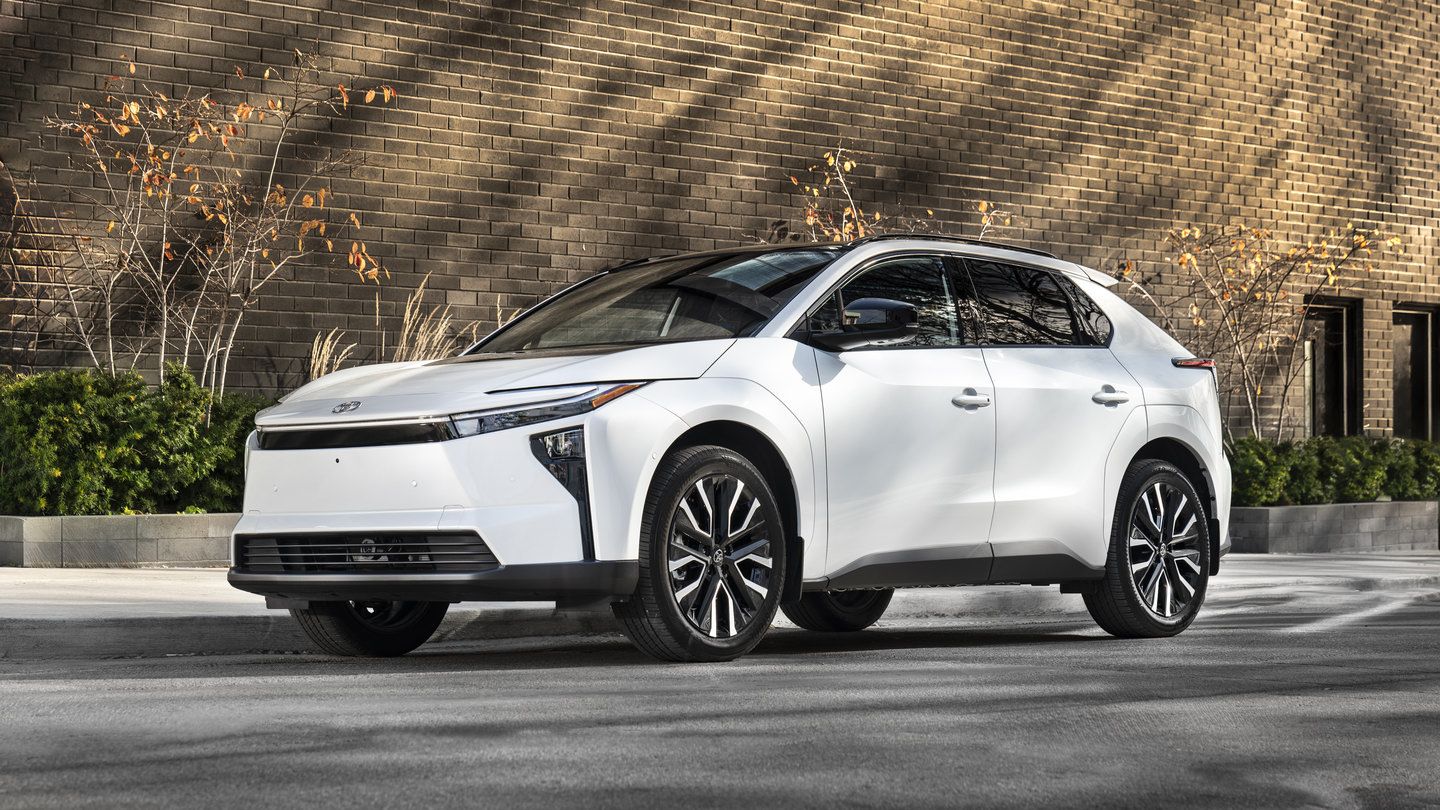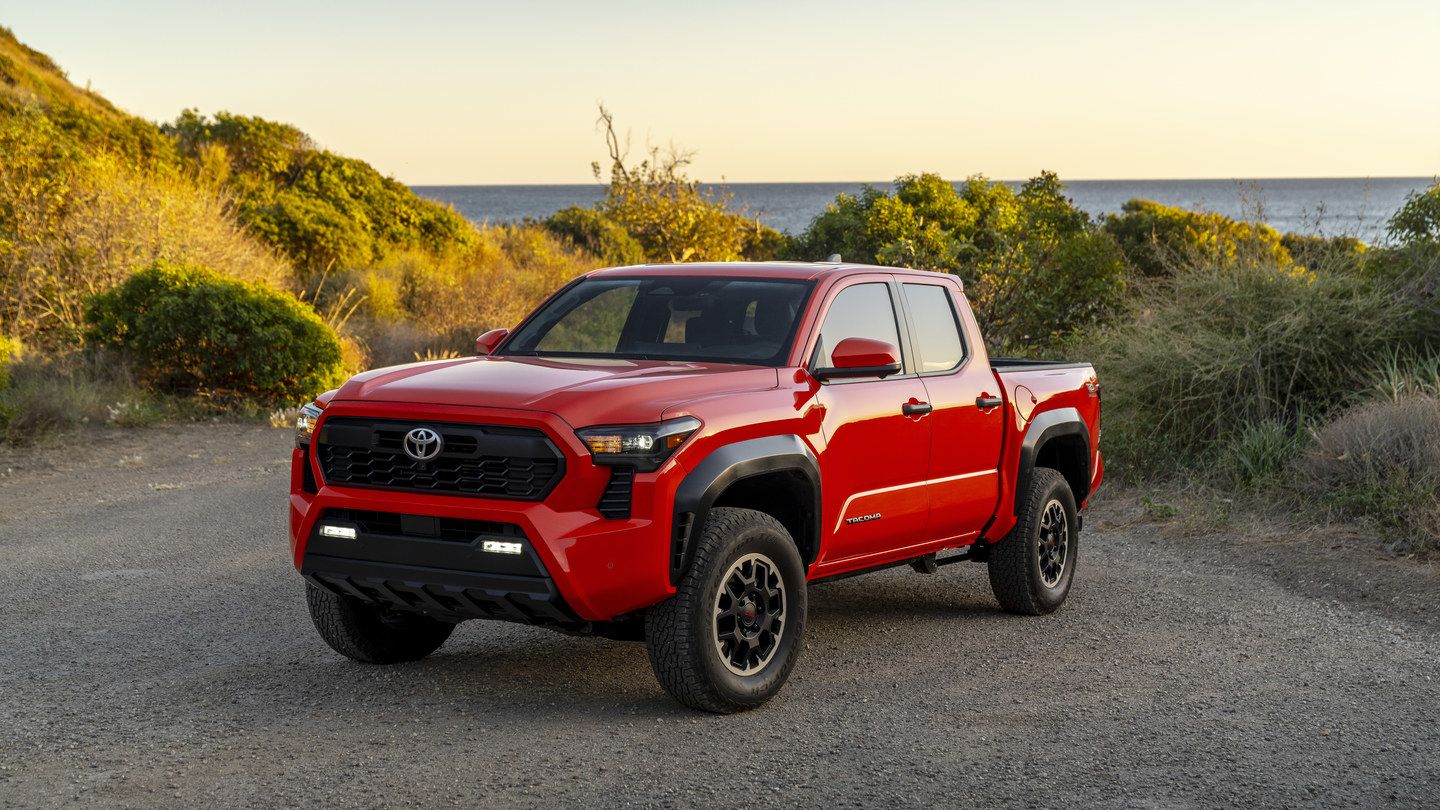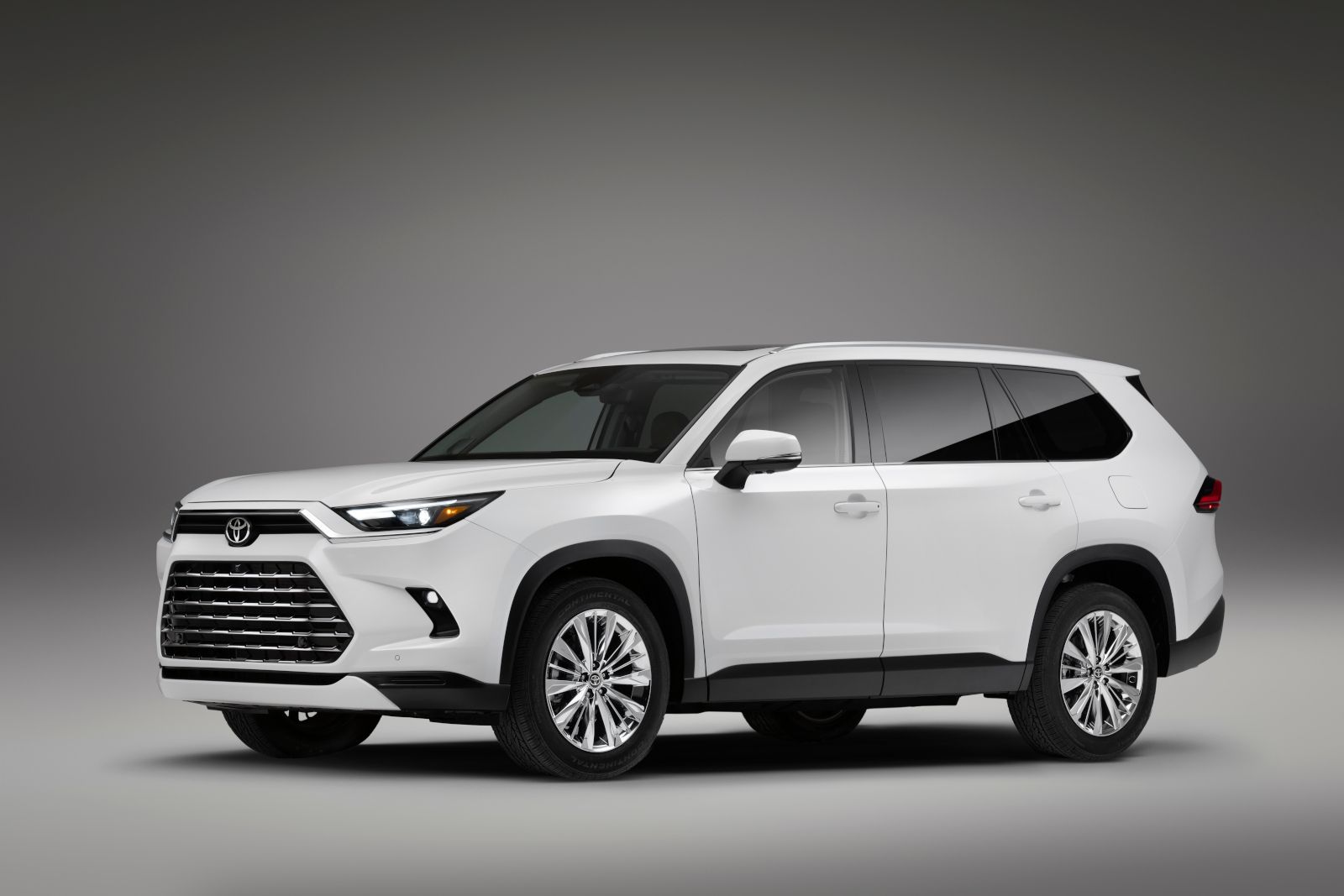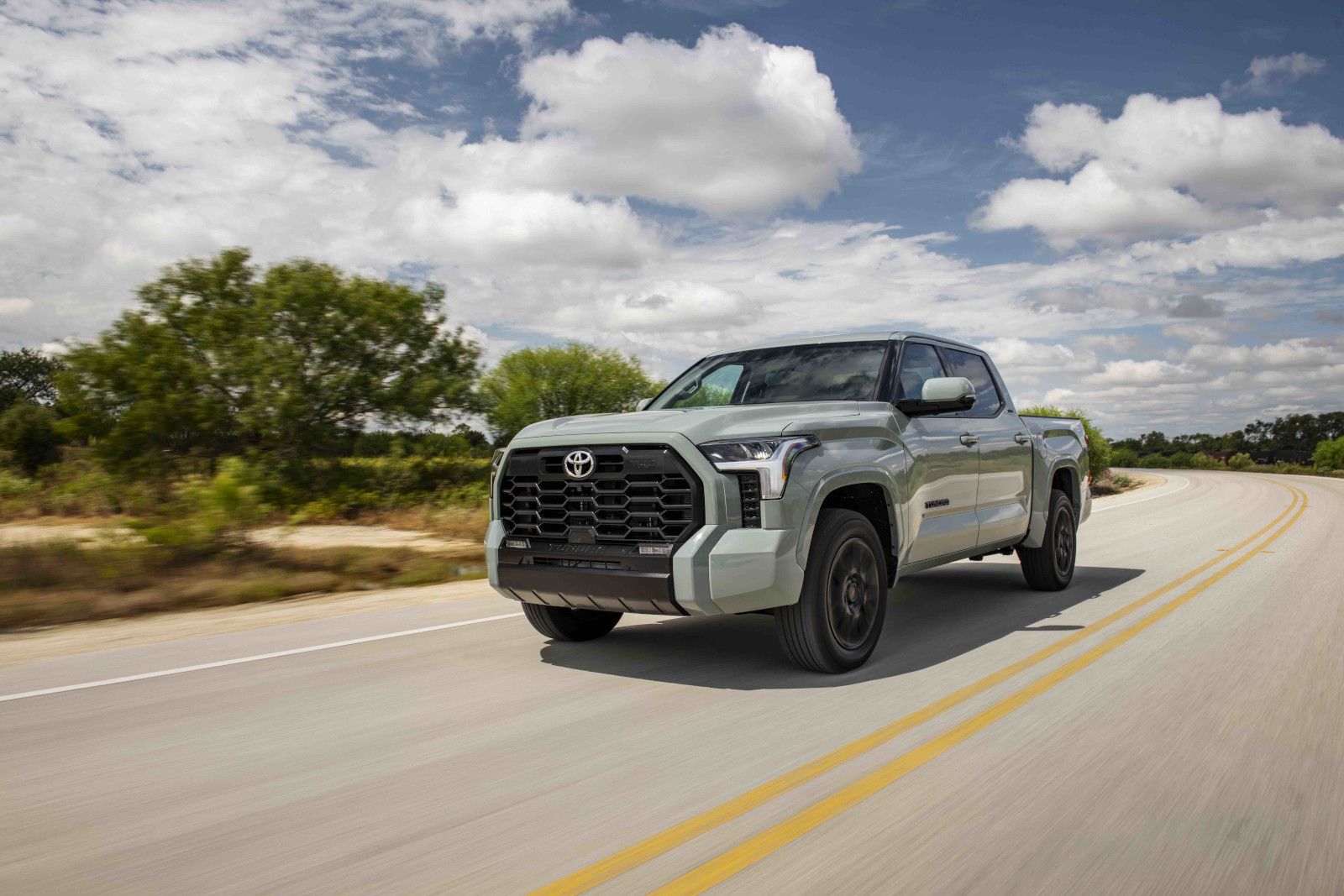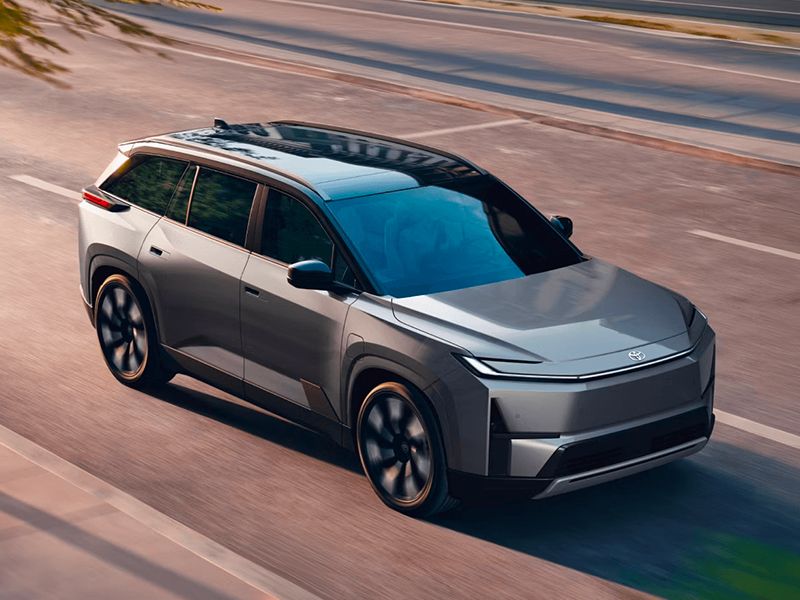
Towing Capacity for 2024, 2025 and 2026 Toyota SUVs and Trucks
20252024 Sommaire 2026 Toyota SUVs and their Towing Capacity Summary table: Toyota SUVs and their Towing Capacities 2026 Toyota Trucks and their...
Read more

How does a Toyota hybrid vehicle work? What are the differences compared to a fuel model?
Your Toyota dealership in Longueuil, on the South Shore of Montreal, close to Boucherville and Brossard, tells you more about what features these vehicles offer and how exactly a Toyota hybrid car works!
The Toyota hybrid system combines two sources of energy: an efficient gasoline engine and one or more electric motors powered by a self‐charging battery. Depending on driving conditions, these two systems work in tandem or independently to offer optimal energy performance. This technology, refined over more than 25 years, helps reduce fuel consumption and emissions without compromising power or reliability.
Toyota hybrid vehicles are renowned for their exceptional fuel efficiency and long-term reliability. The seamless transition between power sources reduces gasoline consumption, especially in city driving. The hybrid system also delivers a quieter ride and instant torque thanks to the electric motor. Moreover, the battery is designed to last the entire lifespan of the vehicle with minimal upkeep, allowing drivers to enjoy significant fuel savings and a reduced carbon footprint without changing their driving habits.

The main drawback lies in the slightly higher purchase price compared to a gasoline-only model. The extra weight from the electric system may also affect performance, although Toyota has largely compensated for this with its new platforms. Finally, while the battery does not require plugging in, some drivers may regret not being able to charge to drive longer in pure electric mode, except on PHEV models.
Whether you drive a fuel or hybrid model, there will not be any noticeable changes in your driving habits. In fact, these models do not need to be plugged in for charging, but you will have to fuel up at a gas station. However, you will quickly notice that your fuel needs are not as significant as for a fuel-only model.
The only difference between a Toyota hybrid car –like the Prius- and a plug-in hybrid car –like the Prius Prime, is that the latter must be plugged in to charge the battery. This means you will either have to stop at an electric car charging station, or have one installed at home.
Moreover, the autonomy a plug-in hybrid offers is generally greater than for a simple hybrid vehicle.

Now that we have seen the differences between fuel, hybrid and plug-in hybrid vehicles, you are certainly wondering how a Toyota hybrid engine works.
Called a Hybrid Synergy drive System, it utilizes 2 different energy sources: fuel and electricity. The hybrid technology gives the vehicle a superior energy efficiency while optimizing the use of fuel and electricity in order to obtain the best possible results out of both.
A self-charging vehicle? It exists! But how exactly does a Toyota hybrid regenerative braking system work? It is quite simple: when you use the brakes, the hybrid system recovers a portion of the residual energy produced by braking. It is then converted into electricity that is stored by the battery, allowing it to recharge itself.
This means you will not have to charge your vehicle by plugging it into a power source since it charges itself!
Toyota hybrid engines are engineered to last as long as traditional engines. The hybrid batteries are covered by an 8-year or 160,000 km warranty, and many Toyota hybrid vehicles exceed this mileage with no notable loss in performance. In practice, numerous owners have driven more than 300,000 km without major issues, underscoring the system's durability.
Yes. Toyota hybrid vehicles automatically recharge during driving through a process known as regenerative braking. When decelerating or braking, kinetic energy is recovered and converted into electricity to recharge the battery. As such, no plugging in is necessary for standard hybrid (HEV) models, making daily use straightforward and hassle-free.
On top of a heat engine (fuel), a hybrid vehicle has an electric motor and a battery. In other words, the hybrid technology allows you to utilize a combination of fuel and electricity while you are driving, according to different driving modes.
Depending on the selected driving mode, the vehicle will optimize fuel consumption, allowing you to reduce your visits to the gas station.

Would you like to find out more about how Toyota hybrids work, about the different models that offer hybrid technology, or get more information regarding our current special offers and Toyota financing options? Come and visit us at Longueuil Toyota, on the South Shore of Montreal, close to Brossard and Boucherville, and learn more about the entire hybrid vehicle family offered by Toyota Canada!
Take a look at our blogs on Toyota hybrids: </p

Towing Capacity for 2024, 2025 and 2026 Toyota SUVs and Trucks
20252024 Sommaire 2026 Toyota SUVs and their Towing Capacity Summary table: Toyota SUVs and their Towing Capacities 2026 Toyota Trucks and their...
Read more
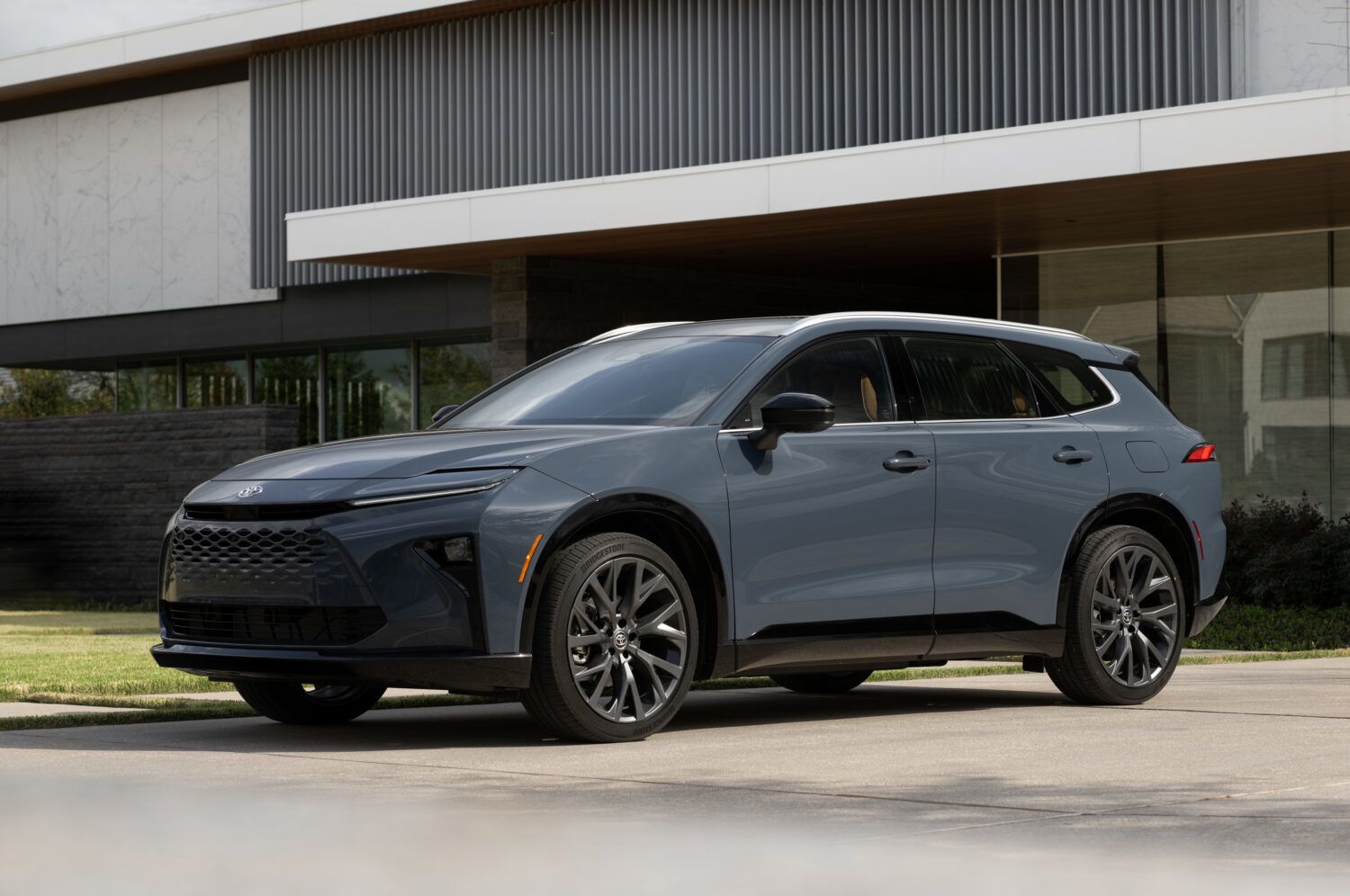
2026 Toyota Crown: Price and Specs
2026 Toyota Crown Hybrid 2026 Toyota Crown Hybrid: Price and Trims Design, Dimensions, Cargo Space Engine and Performance On-Board Technologies...
Read more
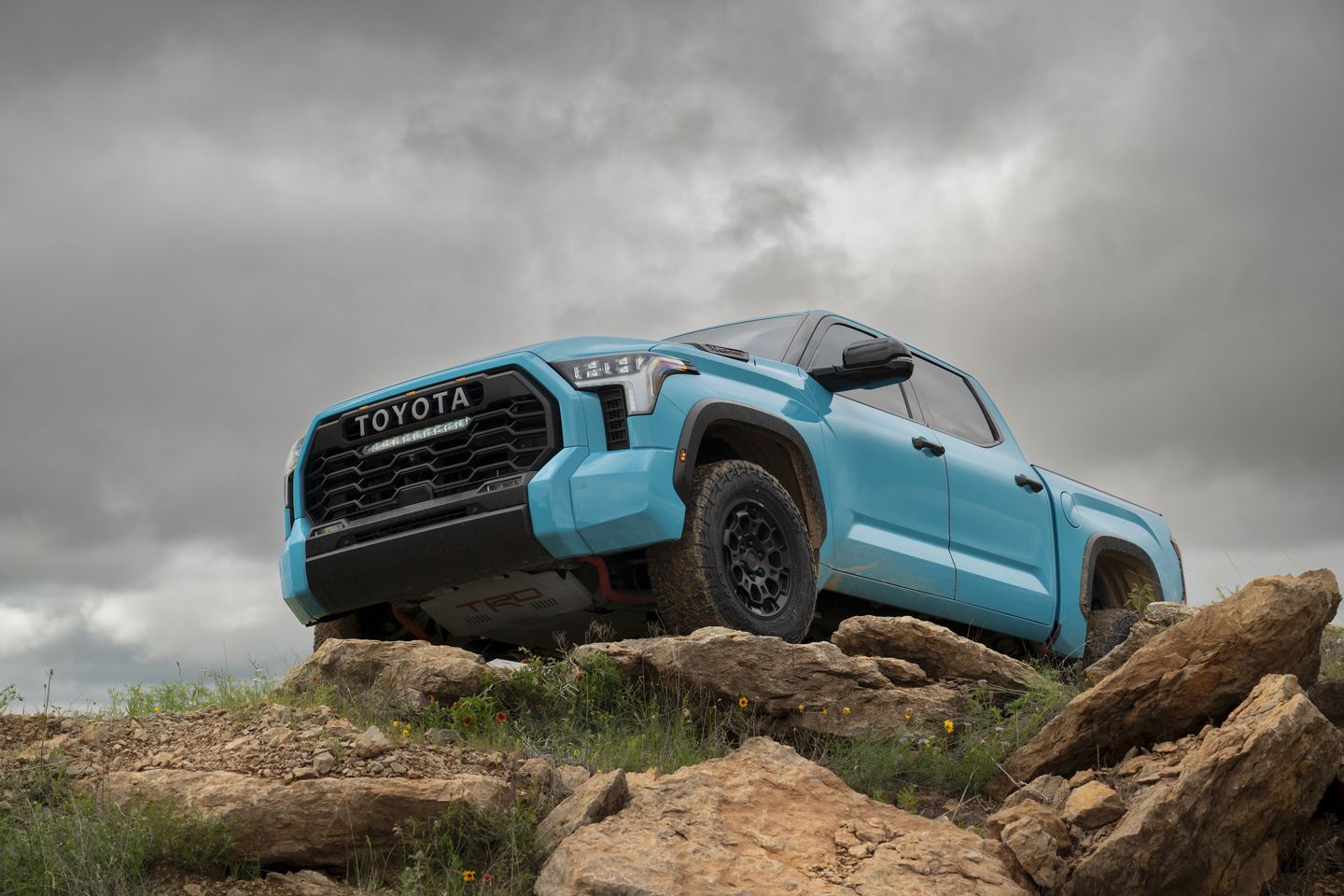
2026 Toyota Tundra and Tundra Hybrid: Price and Specs
20252024 2026 Toyota Tundra and Hybrid: What’s new? 2026 Toyota Tundra and Hybrid: Price and Trims Design, Dimensions, Towing Capacity and Payload...
Read more